Master of Science in Kinesiology, MS
UCF Division of Kinesiology
Become a leader in the exploration of human movement and applied exercise physiology.
The Master of Science in Kinesiology prepares students to apply scientific principles of human movement and exercise to improve health, optimize human performance, and enhance quality of life across the lifespan. Through advanced study in exercise physiology, biomechanics, research methods, and evidence-based practice, students develop the knowledge and practical skills needed for careers such as clinical exercise physiology, sport science, strength and conditioning, and other health and wellness related professions.
The program emphasizes in-person, collaborative learning experiences, faculty mentoring, and hands-on laboratory instruction with opportunities to apply classroom concepts through research, clinical assessment, and other applied learning experiences.
The Master of Science in Kinesiology is typically completed in one and a half to two years of full-time study (four to five semesters).
Human Performance Track:
In the Human Performance track, students gain an understanding of the evaluation and enhancement of human performance in non-clinical settings, such as sports performance, using evidence-based decision-making, data interpretation, and physiological and performance assessment.
Clinical Exercise Physiology Track:
In the Clinical Exercise Physiology (CEP) track, students learn to assess health and physical function, develop individualized exercise treatments, and improve overall patient outcomes. Coursework is designed to prepare students to sit for and pass the American College of Sports Medicine Clinical Exercise Physiology (ACSM-CEP) certification exam, allowing students to enter the field as qualified healthcare professionals.
| Clinical Exercise Physiology Track | Human Performance Track | |
|---|---|---|
| Degree Requirements |
|
|
| Career Readiness |
|
|
| Thesis Option |
|
|
| Student Experience |
|
|
| Curriculum |
|
|
| Certification |
|
|
Looking to get your Masters at UCF?
Improve People’s Lives through Movement and Exercise
Why UCF?
The Master of Science in Kinesiology combines interdisciplinary education, individualized faculty mentorship, and evidence-based learning. Students learn in a collaborative environment that brings together faculty with expertise in clinical exercise physiology, sport science, and human performance. Students in the program also experience:
- Small graduate cohorts
- Access to state-of-the-art research labs
- Opportunities to engage in research, professional leadership, and applied learning experiences.
- Close collaboration with UCF’s Master of Athletic Training and Doctor of Physical Therapy Programs
- Participation in the Institute of Exercise Physiology and Rehabilitation Science (IEPRS) and the chance to learn from faculty with diverse expertise spanning clinical exercise physiology, biomechanics, neuromuscular physiology, rehabilitation science, exercise physiology, sport science, and human performance.
- All coursework is offered on main campus, with a combination of face-to-face, mixed-mode, and online instruction.
- Internship opportunities with local healthcare, fitness facilities and sports organizations.
- Late afternoon or evening courses, allowing students to complete the program on either a full-time or part-time basis while accommodating many working professionals.
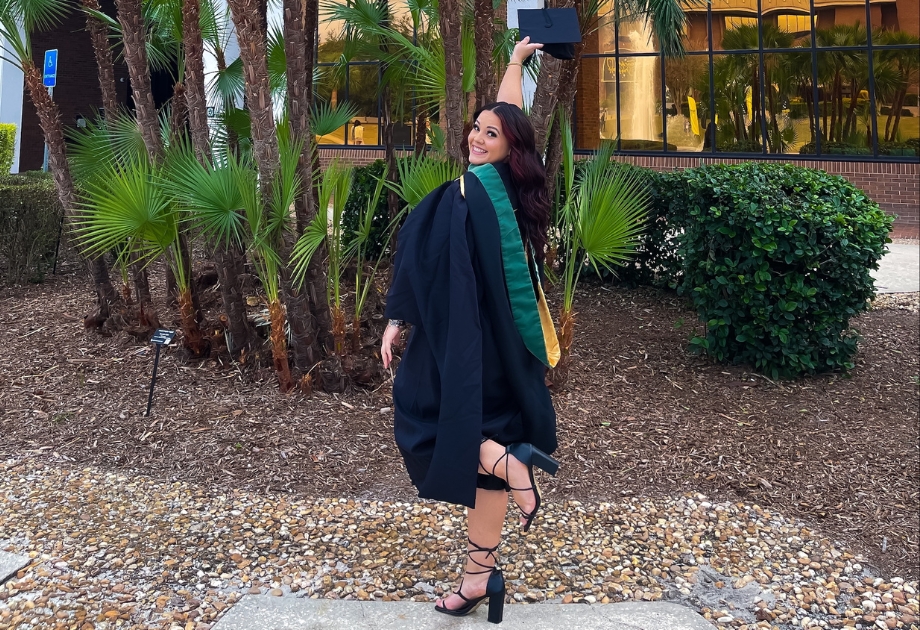
The UCF kinesiology program gave me so much more than knowledge, it gave me community. The mentors and friends I found here challenged my beliefs and pushed me to ask why things are done the way they are. My understanding of research, how it’s conducted, measured, and applied, grew tremendously, and so did my soft skills: reflective listening, asking the right questions, and becoming a better coach. I’m so grateful for how this program shaped who I am, both personally and professionally.
— Toni Joyner '25
Get Hands On Learning
We offer a wide variety of research labs and opportunities to support our mission:
Exercise Physiology & Mechanistic Interventions
Investigation of individual responses and adaptations to training across diverse populations — including fatigue thresholds, neuromuscular function, metabolic responses, and sex specific adaptations to exercise.
Performance Enhancement & Sport Science Applications
Research on improving athletic performance, including analyses of body composition, performance testing methodologies, supplements, recovery strategies, and movement mechanics such as martial arts and soccer-specific performance.
Movement, Injury & Rehabilitation Science
Exploring neuromuscular assessments, biomechanics of movement, orthopedic injury mechanics, and clinical rehabilitation strategies aimed at enhancing recovery and preventing musculoskeletal injuries.
Exercise Across the Lifespan & Aging
Focused research on age related physiological trends, resistance training for aging populations, weight management, lifelong physical activity, and training the trainers in sport and exercise science.
Translation & Intervention: From Lab to Practice
Strong emphasis on translational and applied research facilitated by state of the art facilities and collaborative efforts through the Institute of Exercise Physiology and Rehabilitation Science and community partnerships.
Institute of Exercise Physiology and Rehabilitation Science
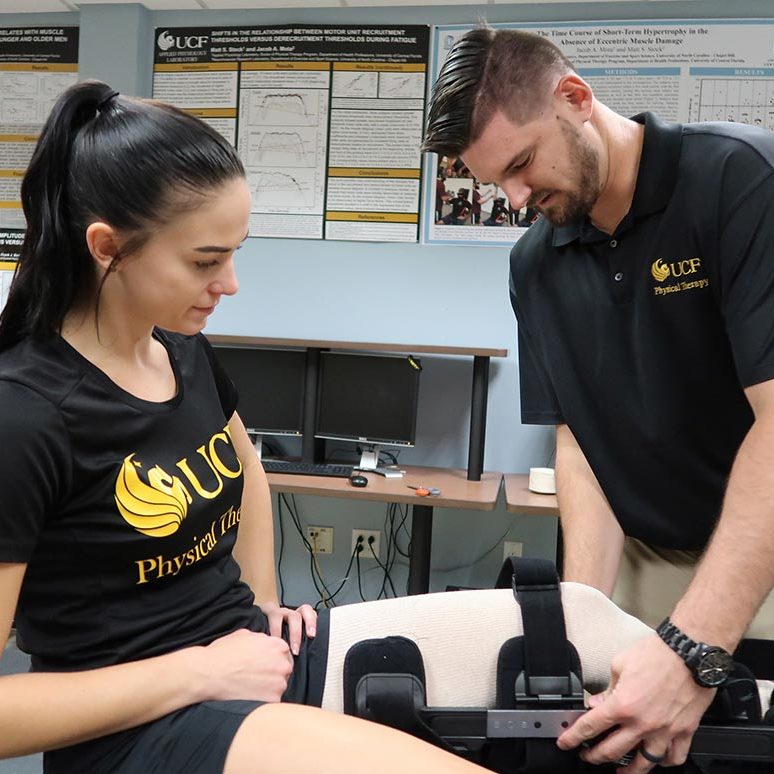
The institute supports mechanistic and translational research by faculty members and students in the school’s Division of Kinesiology, Division of Physical Therapy and Athletic Training Program. The institute also partners with colleagues from the College of Health Professions and Sciences and Academic Health Sciences Center to contribute to the research mission of the university. With its current resources and faculty expertise, the institute has a broad capacity to advance the fields of exercise and rehabilitation sciences.
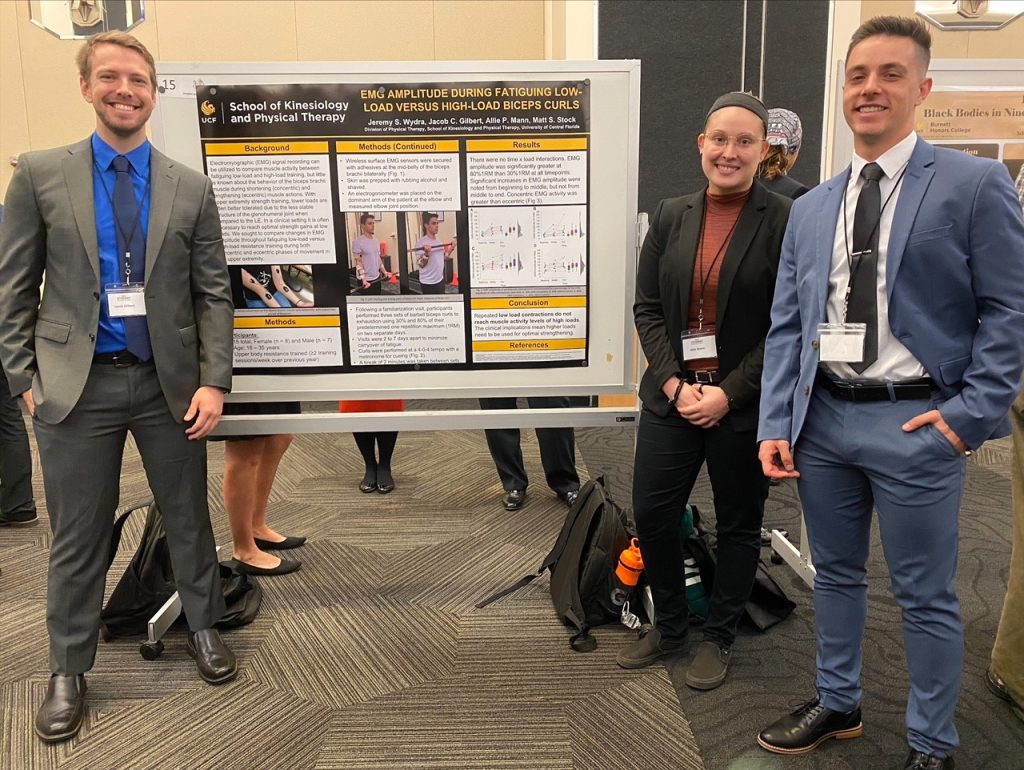
National Conferences
The institute proudly presents at numerous national conferences.
Academic Advising
Whether you’re a current or prospective graduate student, we are here to provide advice, assistance and support. The UCF Division of Kinesiology offers a full range of advising within the major. Our team is available to help with:
- Understanding admission requirements
- General information on the program
- Schedule planning
- Selecting electives
- Choosing between an internship or review of literature.
Please contact us by email or phone to set up a meeting. We are also available virtually. We look forward to helping you achieve your educational goals.
Phone: 407-823-2595
Email: KINgrad@ucf.edu
Office: ED 320
Speak to an Advisor
If you’d like a scheduled 1-on-1 session with an advisor, please click the button below to secure your time slot.
I am extremely grateful for the support and mentorship I received from the faculty and staff in the Division of Kinesiology throughout my time in the undergraduate and graduate programs. The resources and opportunities for growth have inspired me and prepared me for my future in sports. I am eternally appreciative of my time at UCF. Charge On!”
— Maxine Furtado Mesa, ’19, ’21 MS, ’24 Ph.D.
Graduate Internship
An internship with the Division of Kinesiology is an exciting, hands-on work experience that allows students to apply classroom learning to real-world settings. Students work closely under the guidance and support of an approved preceptor who is an expert in the field of kinesiology or exercise science.
Accreditation
The Clinical Exercise Physiology track is currently pursuing accreditation through the Commission on Accreditation of Allied Health Education Programs (CAAHEP) upon the recommendation of the Committee on Accreditation for the Exercise Sciences (CoAES)
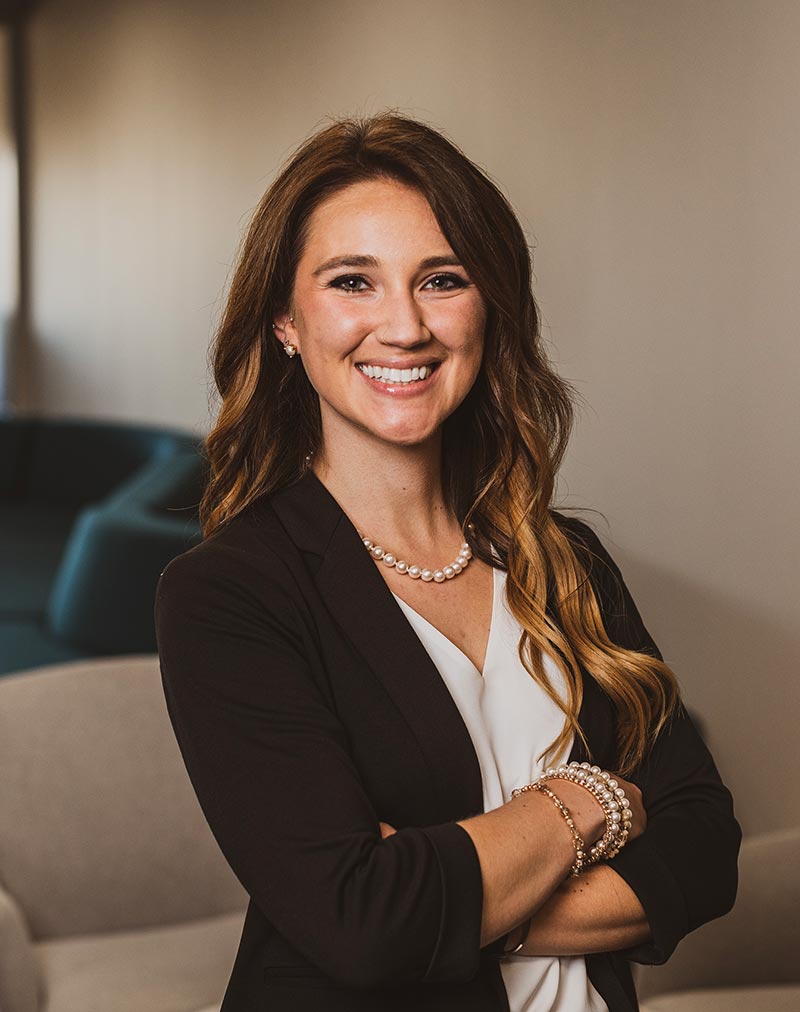
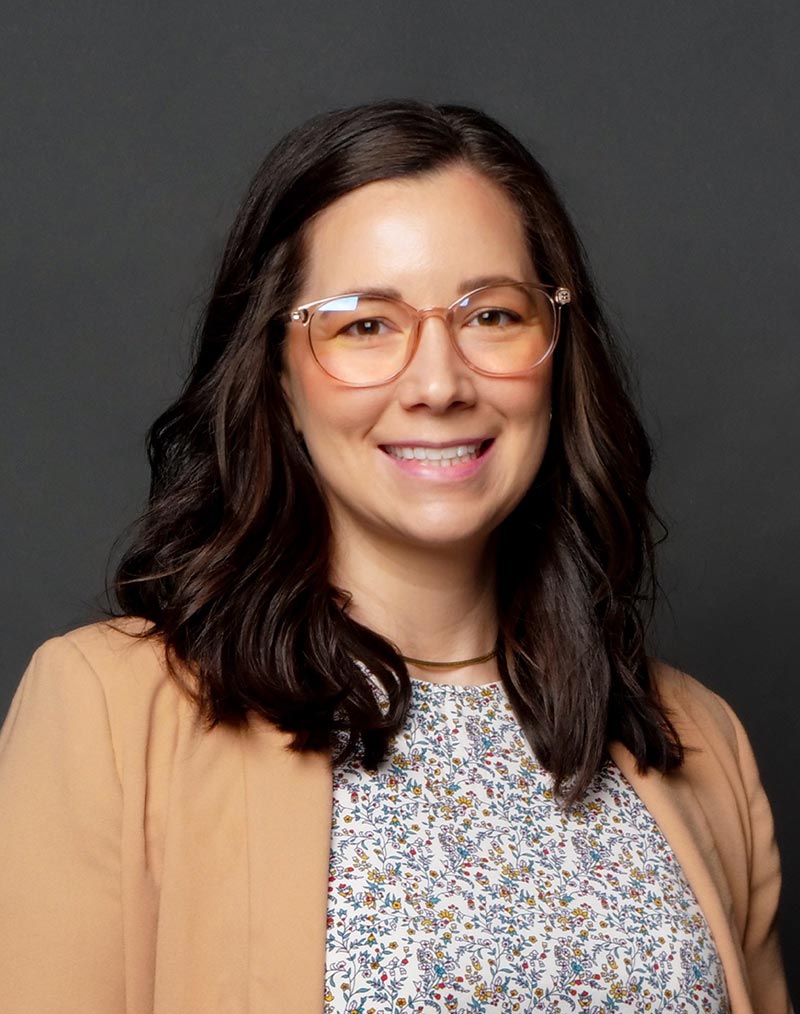
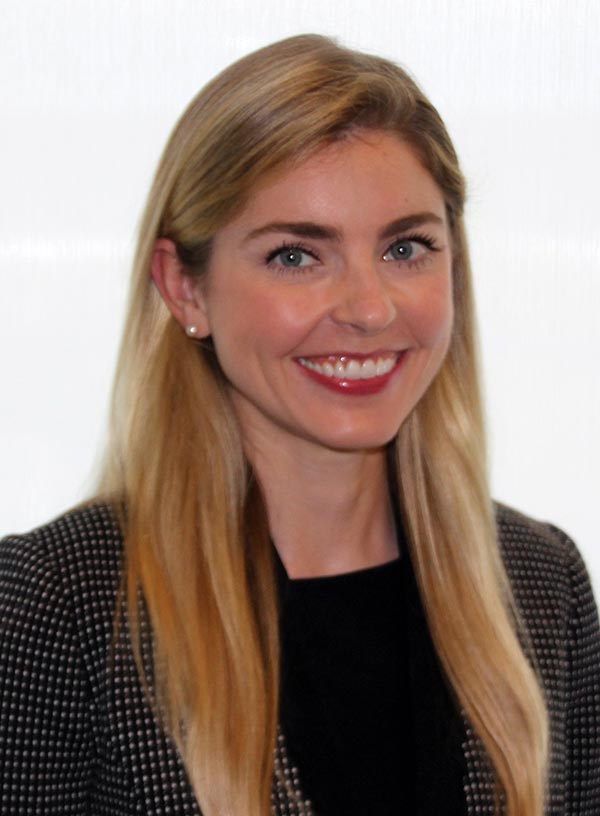
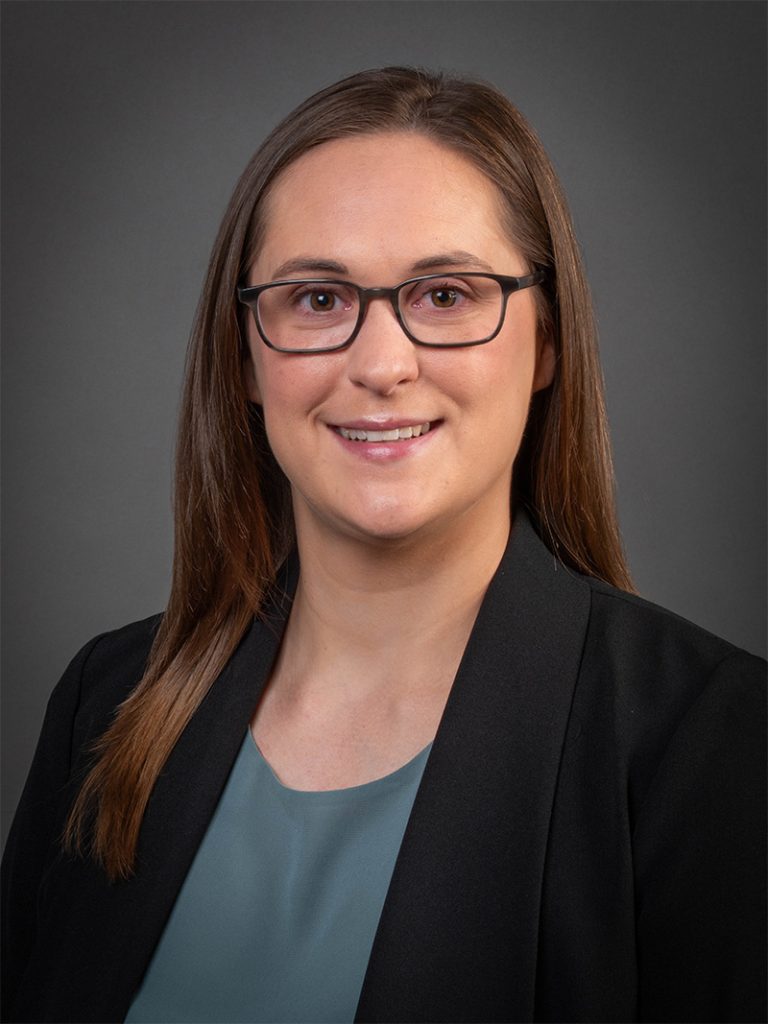
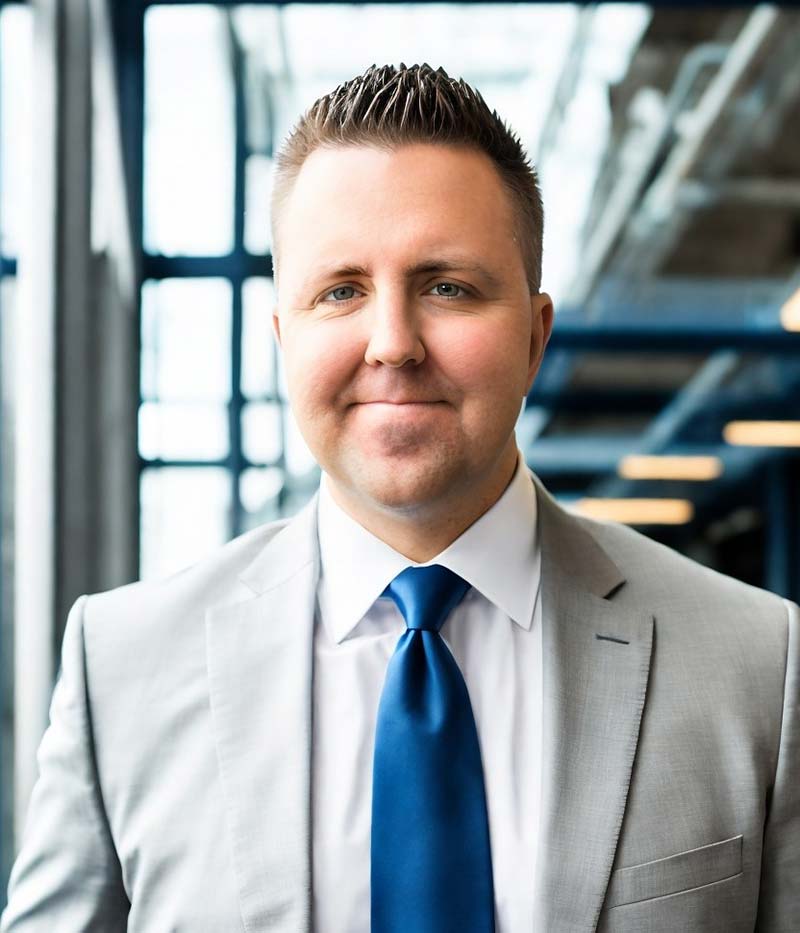
MEET YOUR CORE FACULTY

MS Program News

Frequently Asked Questions
For specific admission requirements, please visit Graduate Studies.
The GRE is not required for admission to this program.
Applicants are expected to have the equivalent of 8 semester hours of anatomy and physiology.
Students typically complete the program in 4-6 semesters, but this is dependent upon course availability and individual scheduling. Completion time depends on full-time vs. part-time status and differs based on track.
The MS program falls within the STEM category for state of Florida according to its Classification of Instructional Programs (CIP) code
You can check the status of your application anytime online at myUCF. If you have questions regarding submitted materials, please contact the College of Graduate Studies at 407-823-2766 or gradadmissions@ucf.edu.
Estimated school costs are posted the Office of Student Financial Assistance website. https://studentaccounts.ucf.edu/tf-tuitionratescurrent/
Total Credit Hours Required: 30-33 Credit Hours minimum beyond the bachelor’s degree. Total required credit hours differ based on track.
All students are automatically placed in the non-thesis option which, in addition to the typical coursework, requires 3-9 credit hours of internship(s) and/or review of literature, depending on track. The Thesis option requires completion of an additional statistics course as well as 6 credit hours of thesis, including a research project and thesis defense in front of a faculty committee.
Students wishing to pursue the Thesis option must receive approval from the graduate program director and have a commitment from a faculty member to serve as the thesis committee chair. Those interested in completing a thesis are encouraged to familiarize themselves with the research being conducted at UCF and contact faculty with similar areas of interest.
Our college has a published list of research participation opportunities: https://healthprofessions.ucf.edu/research/studies. If you filter by Kinesiology or Exercise Physiology and Rehabilitation Science, you’ll see those specific to our labs.
Graduate assistantship positions in the Division of Kinesiology are generally allocated through specific faculty and there is typically limited availability which makes the process of securing them highly competitive. The best approach is to reach out directly to faculty members that you might be interested in working with and see if they have any availability. There may be additional graduate assistantship opportunities in Campus Rec, Athletics, or elsewhere on campus but you would need to contact them directly.
- The non-thesis Human Performance track requires completion of either an internship (3 credit hours) or review of literature (3 credit hours).
- The non-thesis Clinical Exercise Physiology track requires completion of three separate internship experiences (once per semester, beginning in the second semester) for a total of 9 credit hours. Students may substitute an elective course for 3 credit hours of internship with prior approval.