Communication, Aphasia Recovery, and Emotion (CARE) Lab
UCF Communication Sciences and Disorders
Overview
The Communication, Aphasia Recovery, and Emotion (CARE) Lab aims to advance our understanding of the role of emotion and psychosocial well-being in language and communication among people with aphasia and neurotypical, aging adults. Broadly, the CARE Lab is committed to exploring ways to improve aphasia rehabilitation outcomes. We also investigate the behavioral and neural correlates of post-stroke language recovery.
One focus of our research is to develop methods to address the emotional and psychosocial well-being of people with aphasia to improve quality of life and rehabilitation outcomes. We advocate for centering the importance of psychosocial well-being in rehabilitative settings to improve both quality of life and clinical outcomes. Another focus of our research is investigating the ways in which emotional stimuli and contexts impact language processing in neurotypical, aging adults.
Values Statement
At the Communication, Aphasia Recovery, and Emotion (CARE) Lab, we believe that meaningful scientific progress is grounded in honoring the full humanity of the people we serve and the communities we work alongside. Our work is driven by the understanding that every individual brings unique life experiences, communication needs, cultural backgrounds, and strengths that enrich both clinical practice and research.
We are committed to creating an environment where all people feel respected, welcomed, and supported—whether they are research participants, students, collaborators, or community members. Because our research centers on the emotional and psychosocial dimensions of communication, we intentionally cultivate a lab culture that prioritizes kindness, curiosity, dignity, and compassion. We aim to foster a collaborative, supportive research environment in which team members can grow, question, and contribute fully.
In the CARE Lab, we seek to advance rehabilitation science in ways that promote fairness, broaden representation, elevate marginalized voices, and ultimately improve quality of life for all people navigating communication challenges. Our values guide not only how we conduct research, but also how we interact with each other and with the world.
Meet Our Team
Director
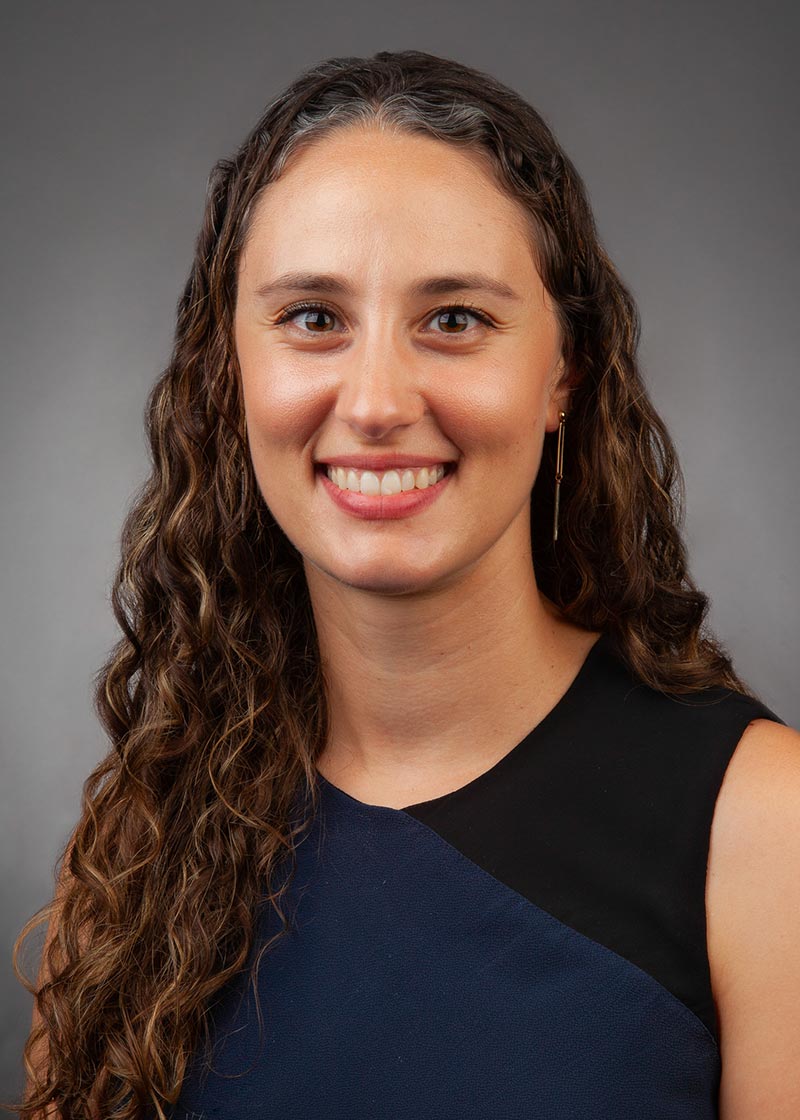
Deena Schwen Blackett, Ph.D., CCC-SLP
Students

Nadia Bossemeyer Biernacki
Graduate Research Assistant
Nicole Hernandez
Graduate Research Assistant
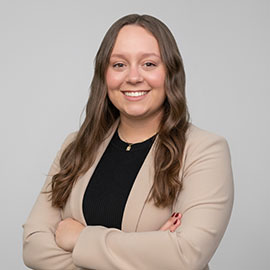
Isabelle Medina
Graduate Research Assistant
Kristian Perez
Graduate Research Assistant

Hannah Vazquez
Graduate Research Assistant
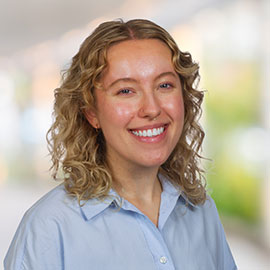
Rachel Montañez
Graduate Research Assistant
Emma Grad
Graduate Research Assistant

Selected Relevant Publications
Our laboratory makes a concerted effort to publish our findings in respected academic journals and present at regional, national, and international conferences. In addition to contributing to collective body of knowledge in a given field, presenting original data at conferences is a fun way for the lab’s students to enhance their self-confidence and network with other scientists.
- Schwen Blackett, D., Grubaugh, A.L., Sydlowski, D., Acierno, R., Hunting Pompon, R., Woodbury, M.L., Kautz, S.A., Wilmskoetter, J., & McTeague, L.M. (2025). Feasibility and preliminary outcomes of SLP-administered behavioral activation: A psychosocial intervention for people with aphasia. American Journal of Speech-Language Pathology, 1-19.
- Schwen Blackett, D., Kristinsson, S., Wilmskoetter, J., Fridriksson, J., & Bonilha, L. (2025). A comparison of treatment acquisition and response generalization for semantic versus phonological treatment in aphasia. Journal of Speech, Language, and Hearing Research, 1-16.
- Riccardi, N., Schwen Blackett, D., Broadhead, A., Rorden, C., Fridriksson, J., Bonilha, L., Desai, R. (2024). A rose by any other name: Mapping taxonomic and thematic naming errors post-stroke. Journal of Cognitive Neuroscience, 36(10), 2251-2267.
- Roth, R.W., Schwen Blackett, D., Gleichgerrcht, E., Wilmskoetter, J., Rorden, C., Newman-Norlund, R., Sen, S., Fridriksson, J., Busby, N., & Bonilha, L. (2024). Long-range white matter fibers and post-stroke verbal and non-verbal cognition. Brain Communications, 6(4), fcae262.
- Schwen Blackett, D., Harnish, S.M., Borod, J.C., Speer, S.R., & Pan, X. (2023). The effects of emotional stimuli on word retrieval in people with aphasia. Neuropsychologia, 192, 108734.
-
- Schwen Blackett, D.*, Varkey, J.*, Wilmskoetter, J., Roth, R., Andrews, K., Busby, N., Gleichgerrcht, E., Desai, R.H., Riccardi, N., Basilakos, A., Phillip Johnson, L., Kristinsson, S., Johnson, L., Rorden, C., Spell, L.A., Fridriksson, J., & Bonilha, L. (2022). Neural network bases of thematic semantic processing in language production. Cortex, 156, 126-143. *equal contributions
- Schwen Blackett, D., & Harnish, S.M. (2022). A scoping review on the effects of emotional stimuli on language processing in people with aphasia. Journal of Speech, Language, and Hearing Research, 65(11), 4327-4345.
Contact
The Communication, Aphasia Recovery, and Emotion (CARE) Lab is located inside the Innovative Center. Several handicap parking spots are available outside.
"*" indicates required fields
UCF Communication, Aphasia Recovery, and Emotion (CARE) Lab
Innovative Center
3280 Progress Dr
Orlando, FL 32826